Table of Contents
Women and their bodies move through stages over a lifetime. Puberty is one. Pregnancy is another. After pregnancy, women’s bodies often look and feel different, and the extent of change depends on her age during pregnancy, number of pregnancies, size of her children relative to her frame, and genetics. It’s one of the most common reasons patients throughout the greater Pittsburgh area come in for a consultation.
Classically, the term mommy makeover described a specific combination: breast augmentation paired with a tummy tuck to restore a pre-pregnancy form. The term has since expanded. You do not have to be a mother to have this combination of procedures. With modern weight-loss drugs, we are seeing similar combinations after substantial weight loss. Today, a mommy makeover means whatever combination of breast and body procedures addresses what has changed for that patient.
How Pregnancy Changes the Breasts
Pregnancy and breastfeeding cause changes to breast tissue, most visibly in the upper portion. Where the breast was once full, there is now less volume, often causing sagging and a gap between the upper breast skin and the bra or bathing suit cup. Some sagging is normal with aging, but after pregnancy, it is often more pronounced. Not every woman loses volume. Some gain it and have breasts heavy enough to cause pain in the back, neck, and shoulders. A breast reduction addresses that side of the spectrum.
During a consultation, I evaluate what has changed: sagging, volume loss, and skin quality. Then we discuss whether augmentation, a lift, a reduction, or a combination is the right fit. Most consultations start with the simple question: What can I do for you today? A patient usually names one main concern first. Once comfortable, a second concern often arises that she had not planned to mention.
How Pregnancy Changes the Abdomen
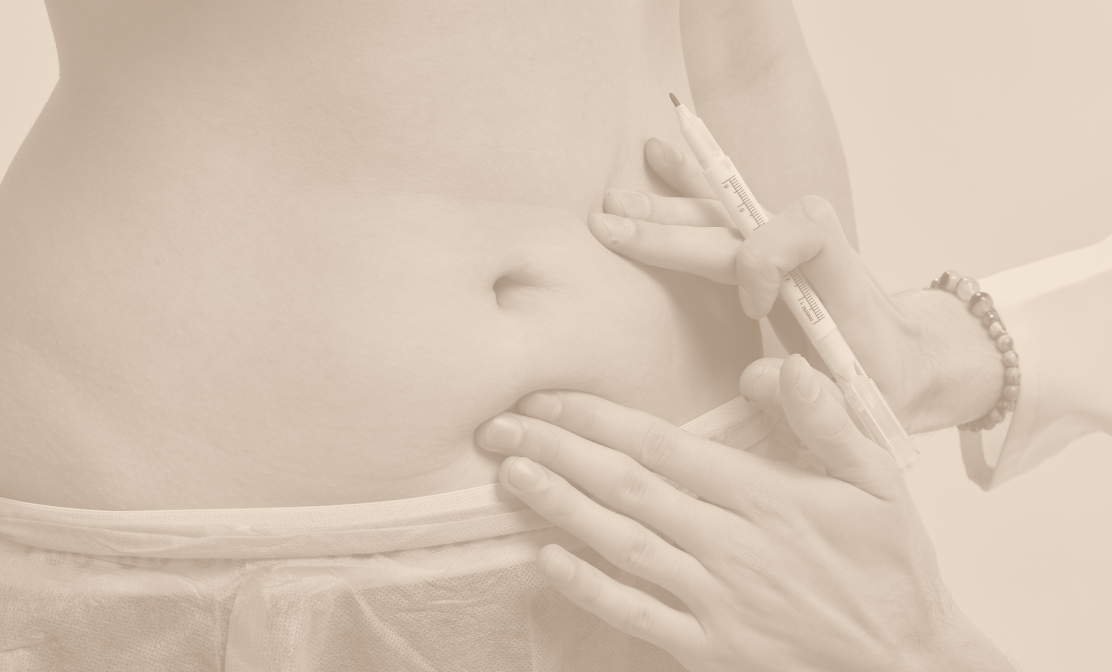
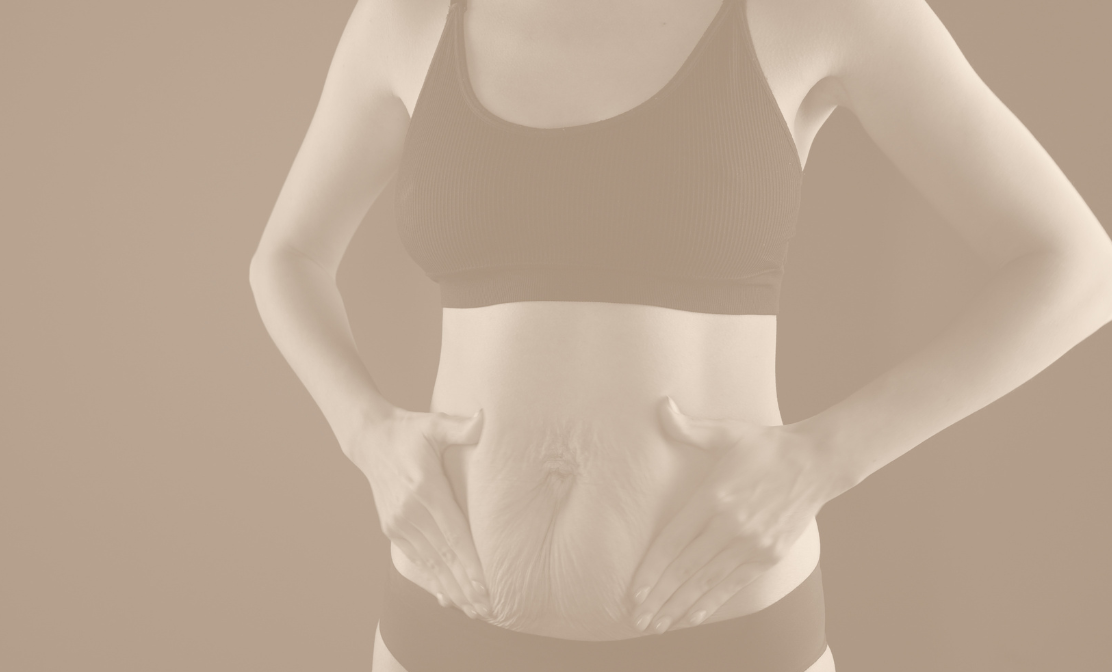
Pregnancy also affects the abdominal wall, with the degree depending on age, number of pregnancies, multiple births, and genetics. A tummy tuck removes excess skin and tightens separated abdominal muscles. Stretch marks between the belly button and pubic bone are typically removed with the excess skin. Liposuction targets fatty tissue increased along the hips, thighs, mid-back, or stomach.
See our dedicated post on Liposuction vs. Tummy Tuck for a full comparison of those two procedures on their own.
What's Actually Included in a Mommy Makeover
There is no fixed formula. The breast component can be augmentation, a lift, a reduction, or a combination of lift and augmentation. The abdominal component can be liposuction alone, a tummy tuck alone, or both combined. Which pieces belong together depends entirely on what a patient needs, and that often becomes clearer during the consultation rather than beforehand.
It is common for a patient to come focused on one procedure and leave with a broader plan. One Pittsburgh-area patient came to me wanting a tummy tuck alone, as her stomach bothered her most after three pregnancies. She had also considered fat transfer to the breast due to implant safety concerns. During the consultation, the conversation shifted to a clearer comparison of saline and silicone, and the plan grew to include breast augmentation and liposuction alongside the tummy tuck. This is a typical arc: a patient names her main concern, and the full plan takes shape once she understands her options.
Choosing an Implant When Volume Loss Is the Concern
For patients whose primary concern is upper-pole volume loss rather than sagging or asymmetry, implant choice matters. I have had good results with Motiva implants for this concern. Most cohesive gel implants allow the gel to settle toward the lower third over time, shifting projection downward. Motiva’s construction fuses the gel to the shell, keeping the implant’s shape more consistent and avoiding rippling along the side seen in other implants. For patients seeking a natural, softer result rather than significant added fullness, that consistency often makes a meaningful difference.
See our dedicated post on Preservé for patients whose volume loss is concentrated specifically in the upper pole.
Is It Safe to Combine These Procedures in One Surgery?
Combining a breast procedure with an abdominal procedure does not increase overall risk meaningfully. The most common issue with a tummy tuck is a seroma, a fluid collection that resolves with straightforward treatment. On the breast side, an implant occasionally settles into a position requiring a minor follow-up procedure. Neither complication is common, and both procedures carry a low risk individually.
Patients most often ask about bleeding, infection, and anesthesia. Bleeding risk is under 1 percent. Infection risk is also under 1 percent, and I provide postoperative antibiotics as a standard precaution. The risk of anesthesia complications is about 1 in 10,000, lower than most expect. I perform these procedures at an accredited surgery center here in the Pittsburgh area, with a board-certified anesthesiologist, a certified registered nurse anesthetist, a dedicated RN, and a certified surgical technician. Regardless of surgeon choice, ask about the facility’s accreditation and anesthesia team’s credentials.
Recovery: What to Expect After a Mommy Makeover
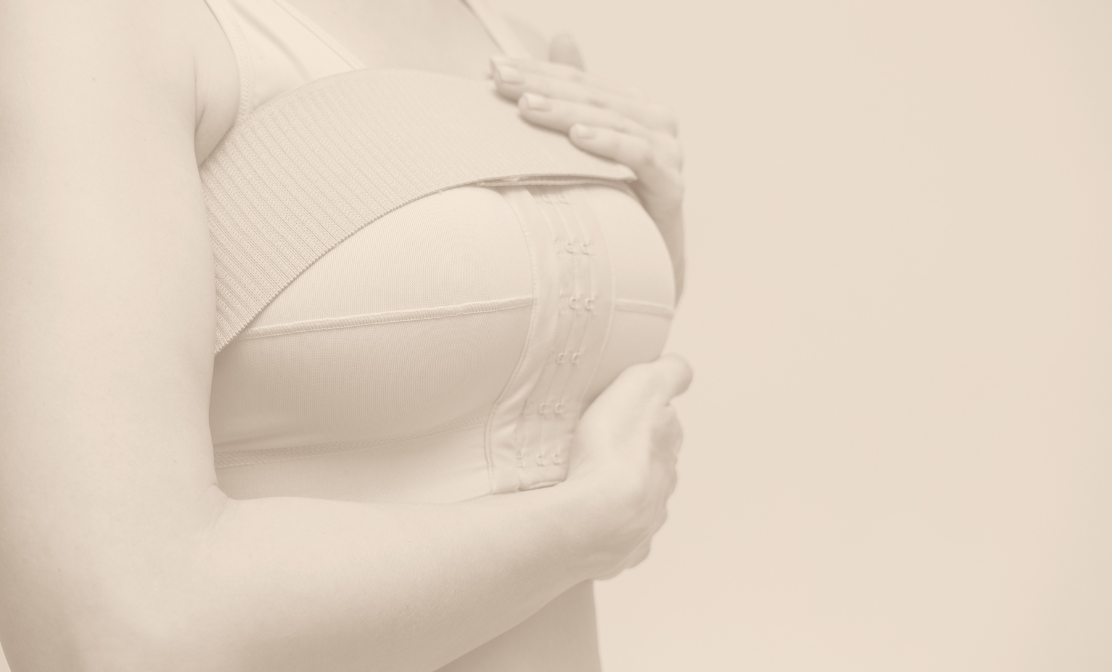
The first five days are the hardest, most patients feel more tightness than pain, especially when a tummy tuck is involved, since abdominal muscles are used in nearly everything: walking, standing, twisting, even coughing. Drains usually come out within a week to a week and a half, one at the first post-operative visit and the second a few days later. A compression binder is worn on the abdomen for three to four weeks, then replaced by a compression garment for comfort. Lymphatic massages are also done at 3 and 4 weeks to help reduce swelling.
No exercise is permitted for the first three weeks. After that, non-impact activities like elliptical, treadmill walking, outdoor walking, cycling, swimming, and light weight training are fine. Core work, chest exercises, and impact activities such as running, jumping, and jogging should wait until six weeks after surgery. Most patients return to a desk job within about a week, though standing fully upright takes longer than expected in the first days due to abdominal tightness.
One detail worth knowing is that combining a breast procedure with an abdominal procedure does not add to recovery time compared to doing either alone. Patients often assume combining procedures means combining downtime, but that is not the case.
When Is the Right Time?
Once a woman knows she is finished having children, I recommend waiting about six months for breast and abdominal tissue to return to normal tone. If breastfeeding, it typically takes four to six months after weaning for milk production to fully stop, and breast surgery should not be done while milk production continues. Most women wait closer to a year, which also allows more time for help at home during recovery.
A Patient's Perspective
One Pittsburgh-area patient who underwent combined augmentation, tummy tuck, and liposuction described the first five days as difficult, largely because she could not use her arms and abdominal muscles at the same time. Dressings and drains made movement awkward early on, and most of what she felt was tightness and discomfort rather than sharp pain. By the time the drains were removed, she was standing noticeably straighter than expected at that point in her recovery.
For a smoother, less stressful recovery, arranging extra support during the first week is highly recommended. Many patients find childcare, help with meal preparation, and assistance with basic mobility around the house helpful. Support with chores like laundry, cleaning, and shopping also makes a significant difference. Planning ahead for these needs allows you to focus on rest and healing.
She was back at her desk job within about a week, working in loose clothing to accommodate the compression binder, and paced herself carefully rather than pushing through fatigue. She was candid about financing the procedure through options like CareCredit rather than paying entirely upfront. As I tell my patients: “You have to do it for yourself.” You can’t do it for someone else, you’re the one living through it. You will be the one who has to put in the time, do the work, and allow yourself the time to heal.
Common Questions About Mommy Makeovers
Will I have visible scarring?
How much does a mommy makeover cost?
How long do breast implants last?
Does combining procedures increase my risk of complications?
Your Partner in Defining You
At Bellissimo Plastic Surgery & Medi Spa, I want to be your partner in defining you. We know we’ve done just this when we receive reviews like this one:
“I had surgery the week of my birthday and am pleased with the outcome. It has given me motivation to work out at the gym and strive for further weight loss and toning. Dr. Antimarino’s professionalism and bedside manner are beyond compare. I highly recommend him for your plastic and cosmetic surgery needs.”
Scheduling a Consultation in Pittsburgh
A mommy makeover is simply a combination of procedures and treatments chosen to address the post-pregnancy body. During your consultation, we will discuss your specific concerns, walk through the procedures that make sense for your anatomy, and build a plan around your goals and your timeline. Patients throughout Pittsburgh and Monroeville trust me and my team to build that plan around them, not a template. Schedule a complimentary consultation today.