Table of Contents
Losing a significant amount of weight takes real commitment. Whether you reached your goal through diet and exercise, weight loss surgery, or a GLP-1 medication such as Ozempic, Wegovy, or Mounjaro, you have changed your health and your life. For many of my patients, the mirror tells a more complicated story. The weight has disappeared, but the loose skin remains.
Loose skin after weight loss is not a failure of effort. It is a structural change in the body itself, and no amount of dieting or exercise will fully reverse it. It can, however, be treated. In this guide, I explain why loose skin occurs, what helps when laxity is mild, which surgical procedure is best for each body area, and how to time your treatment so you can enjoy the look you have worked toward.
Why Loose Skin Happens After Weight Loss
Skin is remarkably adaptable. As weight increases, the skin stretches to accommodate it. Over time, that stretching weakens the collagen and elastin that give skin its firmness and its ability to recover. When the weight comes off, skin that has been stretched for years often cannot contract back to its original shape.
How much loose skin you have depends on how much weight you lost, how long you carried it, your age, your genetics, and the sun damage your skin has accumulated. Where it appears varies from person to person, and there is no way to choose where the weight comes off. The areas most commonly affected are the abdomen, breasts, buttocks, arms, thighs, and neck.
Does Loose Skin Go Away on Its Own?
After a smaller weight change, skin can tighten somewhat on its own over time. After significant weight loss, it usually does not. Diet and exercise build muscle and improve your overall shape, but they cannot remove excess skin or restore lost elasticity.
While you are still losing weight, a few habits support your skin and your body. Eat enough protein. When you restrict your food intake to lose weight, it is common to over-restrict protein, causing the body to break down lean muscle. Protein also helps your body heal if you plan to have surgery later. Stay hydrated, strength train to preserve muscle, and protect your skin from the sun. These steps are good for your skin and your health, but they will not correct a significant amount of excess skin. When the skin is truly loose, treatment is what makes the difference.
Loose Skin After GLP-1 Medications
GLP-1 medications have made significant weight loss possible for many more people, and with it, more patients are noticing loose skin. These medications work in part by slowing stomach emptying, so you feel full sooner and eat less. The skin changes that follow are the same ones I have always seen after major weight loss. The face can also lose volume, leaving some patients looking gaunt. Many people now call this “Ozempic face.”
How to Tighten Mild Loose Skin Without Surgery
If you are wondering how to tighten loose skin after weight loss without surgery, the answer depends on the extent of your laxity. Not every patient needs an operation. When the laxity is mild, and especially when a small amount of stubborn fat remains, a nonsurgical treatment can make a visible difference.
For mild laxity after weight loss, Onda Pro is an excellent place to start. It uses Coolwaves energy to reach the deeper layers of the skin and the fat beneath it while the surface of the skin stays cool. It reduces stubborn pockets of fat left behind by weight loss, and as new collagen develops over time, the skin appears firmer and smoother. There is no downtime, and most patients say it feels like a hot stone massage.
For patients with crepey skin, I combine Onda Pro with Sultra, the skin-tightening laser in our Helix system, in a treatment we call the Luxe Lift. Onda Pro treats the deeper tissue first, and then Sultra treats the skin’s surface, all in the same visit. Most patients need two sessions, about six to eight weeks apart, with occasional maintenance afterward.
I also want to be clear about the limits. A nonsurgical treatment can tighten some tissue and skin without a scar, but it cannot provide the same results as an arm lift or other skin removal surgery. When the skin hangs or folds, surgery is the only treatment to remove it.
Skin Removal Surgery: Matching the Procedure to the Area
Skin removal after weight loss is not one procedure. It is a family of procedures, and the right one depends on where the loose skin is and how much of it there is. Many patients have loose skin in more than one area.
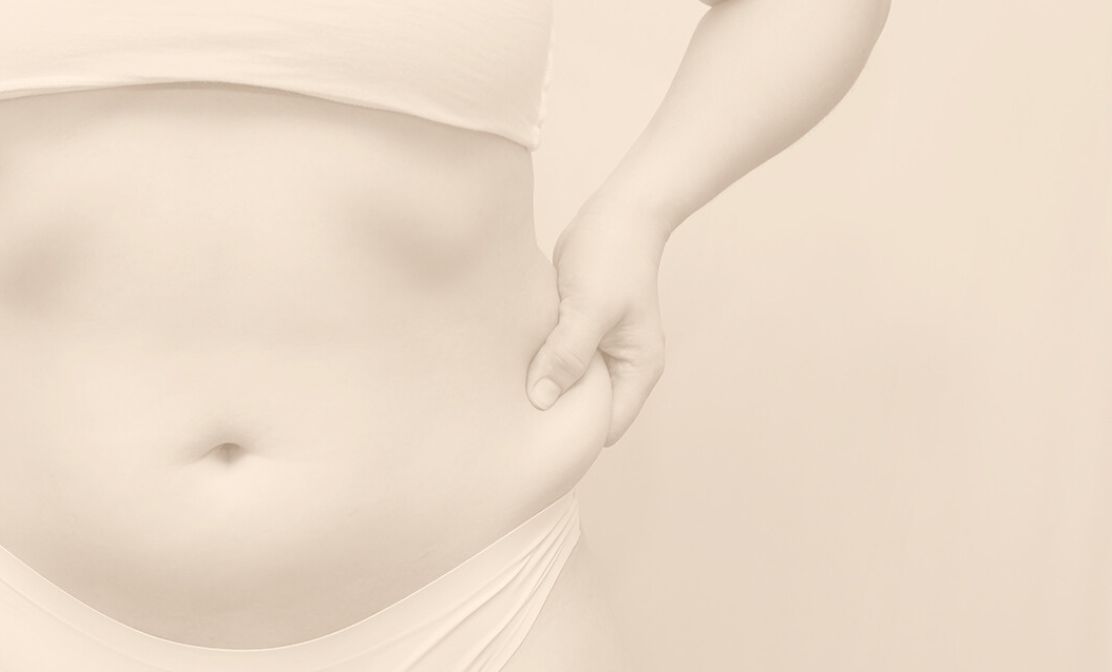
A tummy tuck after weight loss removes excess skin and tightens the abdominal wall, restoring a flatter, firmer contour. Many weight-loss patients have lost muscle tone in the abdomen as well as in the skin, and despite exercise, they cannot regain a natural shape. A tummy tuck addresses both.
When the main concern is an apron of skin that hangs over the waistline and causes rashes or irritation, a panniculectomy may be the better choice. It removes the hanging skin without tightening the muscles. Because it can be medically necessary, insurance may cover it when your insurer’s criteria are met.
After significant weight loss, the upper arms often sag, and many patients tell me they dislike the way the skin moves and avoid certain clothing because of it. An arm lift, or brachioplasty, removes that excess skin along with some of the remaining fatty tissue. The incision runs along the inner arm, from just above the elbow to behind the armpit, and the result is a smoother, more contoured upper arm. It is an outpatient procedure, and most patients return to work in about a week.
Loose skin on the inner thighs can rub, chafe, and even break down. A thigh lift removes excess skin, and sometimes fat, to reshape the thighs and smooth the skin. Most patients return to light activities within a week or two.
When loose skin extends around the abdomen and hips, a lower body lift treats both areas. It removes excess skin from the abdomen, the hips, and the area above the buttocks, and it lifts the upper outer thighs and buttocks back to a more natural position. The scar runs around the lower abdomen and hips and sits below most clothing, so it is not visible when you are dressed. The typical recovery time for a lower body lift is three weeks before returning to non-impact exercise and light duty work.
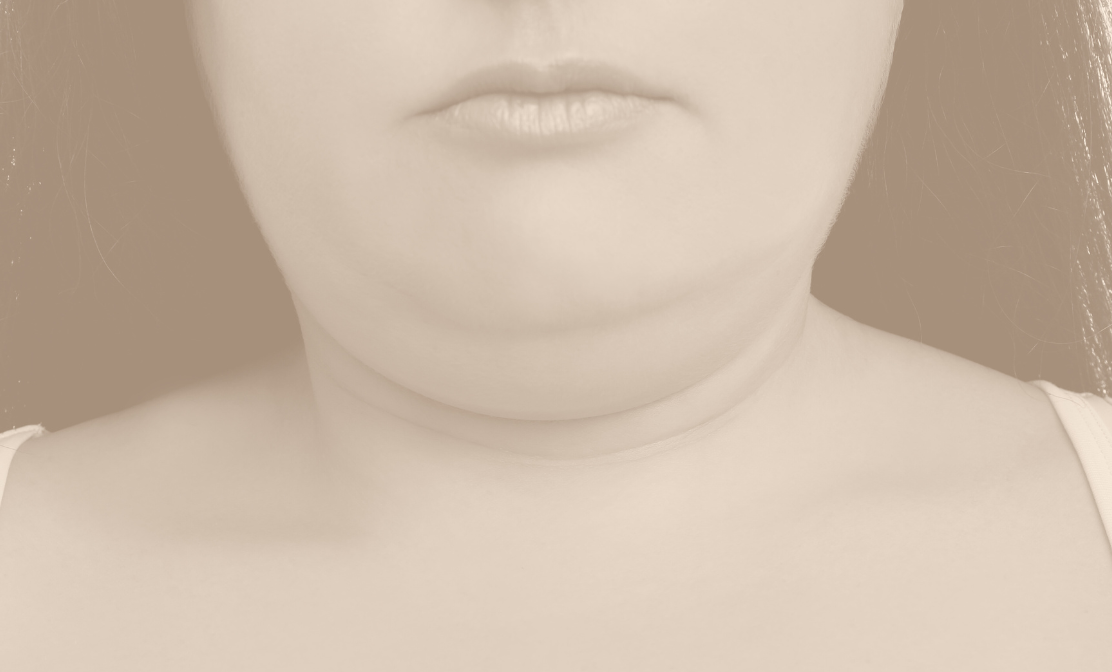
Weight loss can also show in the neck and jawline. Loose chin skin after weight loss does not respond to exercise, and many patients feel it makes them look older. A neck lift targets the lower jawline and neck. Through incisions hidden around and behind the ear, I reset the underlying tissue and remove the extra skin. It is an outpatient procedure, and patients with desk jobs are usually back to work in about two weeks.
Weight loss can change the volume, shape, and position of the breasts. A breast lift restores a more youthful shape and returns the breasts to their natural position. When volume loss is significant, a breast lift can be combined with breast augmentation to restore fullness.
Combining Procedures
Because loose skin often affects multiple areas, many patients ask whether they can treat several areas at once. A tummy tuck, for example, is commonly combined with liposuction of the hips and flanks. Some procedures can be combined into a single surgery, while others are best performed in stages. During the consultation I listen to each patient’s goals and if there are multiple procedures needed, we discuss the possibility of combining procedures to achieve their desired results. The most common combinations I perform are breast and belly, eyes and face, and the arms and legs.
When Is the Right Time for Skin Removal Surgery?
Timing is one of the most important parts of your plan. The best time to talk about skin removal surgery is when your weight has stabilized. If you are still losing weight, especially if you expect to lose another 20 or 30 pounds, it is too early to know exactly what procedure you will need. Once you reach your goal, or your weight plateaus, I can assess the excess skin and any isolated pockets of fat and suggest the right combination of procedures for your unique situation.
I ask patients to maintain their weight for at least six months before skin removal surgery. I describe the ideal weight as the one you can maintain with your usual lifestyle: your diet, your activity, and the demands of work and family. When you can comfortably hold that weight, you are ready, and that stability protects your results.
If you take a GLP-1 medication, there is one more step. Because these medications slow the emptying of the stomach, they raise the risk of aspiration under anesthesia. Patients must stop weight-loss medications two weeks before surgery, and we will plan the timing together well in advance.
What Affects the Cost of Skin Removal Surgery?
The cost of skin removal surgery depends on your plan. The main factors are the number of areas treated, the amount of excess skin, whether procedures are combined into one surgery, and the anesthesia and surgical facility involved.
Cosmetic procedures, including a tummy tuck, are generally not covered by insurance. A panniculectomy is different. When excess skin causes medical problems such as recurring rashes or infections, your insurer may cover the treatment once its criteria are met, typically including documentation from your primary care physician. If you had weight loss surgery, many insurers require you to wait 18 months after that surgery before a panniculectomy. Requirements vary, so I always recommend contacting your insurance carrier for its specific criteria.
At your complimentary consultation, we will build a plan around your goals and review the investment with you.
Why Winter Is a Smart Time to Recover
If you have been thinking about skin removal surgery, late fall and winter offer real advantages:
- Time off around the holidays makes recovery easier to plan around work and family.
- Cooler weather and layered clothing make compression garments easier to wear and less noticeable.
- Less time in the sun protects healing incisions.
- Your results have time to settle before warmer months. After a tummy tuck, for example, the abdomen continues to soften and settle into its final shape through about the twelfth week.
Plan now, recover through the winter, and step into spring with the look you have been working toward.
Frequently Asked Questions
How do you get rid of loose skin after weight loss?
Can you prevent loose skin while losing weight?
Does loose skin from Ozempic go away?
Is skin removal surgery covered by insurance?
How long should I wait after weight loss to have skin removal surgery?
How long is recovery from skin removal surgery?
Schedule a Consultation in Pittsburgh
Losing the weight was the hard part. Treating the skin is the next step, and it starts with a conversation. At your consultation, I will examine the areas that concern you, explain what is realistic for each one, and walk you through every option, from Onda Pro to skin removal surgery, so you can decide what is right for you. There is no obligation.
To schedule a complimentary consultation at our Shadyside or Monroeville office, contact Bellissimo Plastic Surgery & Medi Spa today.