Table of Contents
Many women spend years wishing their breasts had a different shape without ever hearing the term tuberous breasts. The breasts may look narrow at the base, sit high on the chest, or have areolas that appear puffy or enlarged. One breast may look noticeably different from the other. These are signs of a common developmental condition, and it can be corrected.
When I evaluate a patient for breast surgery, I look specifically for tuberous features, because they change how I plan the procedure. In this guide, I explain what tuberous breasts are, how to tell them apart from breasts that are simply small, and what you can expect from correction, including results, scars, recovery, and risks.
What Are Tuberous (Tubular) Breasts?
Tuberous breasts are a developmental condition that becomes visible during puberty, as the breasts grow. You may also hear them called tubular breasts or constricted breasts. All three names describe the same condition.
In a tuberous breast, the tissue at the base of the breast is tight and does not expand normally as the breast develops. Instead of growing outward and downward into a round shape, the breast tissue is pushed forward toward the areola. The result is a distinctive shape:
- A narrow, constricted base
- A breast fold that sits higher than usual
- A short or underdeveloped lower half of the breast
- An areola that looks enlarged or puffy, as though breast tissue is pushing into it
- A noticeable difference between the two breasts
Tuberous breasts are not always small. Some women have a normal or even full breast volume with the same constricted shape. The condition is about shape, not size, and it can affect one breast or both.
Tuberous Breasts or Just Small? How to Tell
Small breasts and tuberous breasts can look similar at first glance, but they are not the same. A small breast has a typical shape with less volume. The base is round, the fold beneath the breast sits in its usual position, and the areola is in proportion to the breast.
A tuberous breast has a different shape. Look for a base that seems narrow from side to side, a short distance between the areola and the fold beneath the breast, and an areola that looks domed or puffy. When one breast is affected more than the other, the difference between them is often what women notice first.
Tuberous breasts also range from mild to severe. In a mild case, only the lower inner part of the breast is underdeveloped. In a moderate case, the entire lower half is affected. In a severe case, the whole base of the breast is constricted. Many women have a mild form without realizing it, and the most reliable way to know is an in-person evaluation.
What Causes Tuberous Breasts?
Tuberous breasts develop on their own during puberty. They are not caused by anything you did, and diet, exercise, weight, and the bras you wear do not cause them. The exact cause is still being studied. The leading explanation is that the connective tissue at the base of the breast is tighter and denser than usual, so it does not expand as the breast grows. Some research suggests the condition can run in families, but no single cause has been confirmed.
The condition is also more common than most women realize. The true number is unknown, because many women with a mild form never seek care, but in one study of patient photographs, more than one in four women showed at least one tuberous feature.
Can Tuberous Breasts Be Fixed Without Surgery?
I understand why patients ask. No exercise, cream, massage, or supplement can change the structure of a tuberous breast. The shape comes from the tissue itself. Padded or shaped bras can help clothing fit the way you want in the meantime, but only surgery can change the shape of the breast.
What Tuberous Breast Correction Can Do for Your Shape
Correction is about shape first and size second. The goal is a breast that looks round, full in the lower half, and in proportion with your body. Depending on your anatomy and goals, correction can:
- Widen and round out a narrow base
- Fill out the lower half of the breast
- Bring the breast fold into a more natural position
- Reduce and flatten a puffy or enlarged areola
- Improve symmetry between the two breasts
- Add volume, if you want a fuller result
Most patients see a significant improvement in shape. I am also honest with every patient that no two breasts are perfectly identical, and some subtle asymmetry may remain. Swelling hides the final shape at first, and the breasts continue to soften and settle over the first several months.
What Tuberous Breast Surgery Involves
Because tuberous breasts are a shape concern, correction reshapes the breast rather than simply enlarging it. In plain terms, I release the tight tissue at the base so the lower half of the breast can expand, restore volume with an implant or your own fat when needed, reduce and reshape the areola, and lift the breast if it sits low. Every plan is built around your anatomy and the look you want.
If an implant is part of your plan, we choose the implant and its placement together, based on your anatomy and how you live day to day. Correction is typically performed as an outpatient procedure under general anesthesia. Most patients need only one surgery, though severe cases are sometimes corrected in two stages. I treat tuberous breasts with a combination of a breast augmentation and a mastopexy, most commonly a periareolar, lollipop, or full mastopexy.
Scars: Where They Are and How They Fade
Scars are part of how your breasts will look after surgery, so I want you to know what to expect. For most tuberous corrections, the main incision runs around the edge of the areola, where the darker skin meets the lighter skin. That natural border helps camouflage the scar, and the same incision allows me to reduce the size of the areola. Some patients also have an incision in the crease beneath the breast, where it is hidden by the breast itself and by most bras and swimwear. When a lollipop lift is part of the plan, there is also a short vertical scar from the areola down to the crease.
I place every incision along a natural border or fold so it is as discreet as possible. Scars look pink at first and continue to fade over many months. Keeping them out of the sun and following your scar care instructions helps them heal well.
Recovery: What Healing Looks Like
Recovery after tuberous breast correction is similar to recovery after breast augmentation. Here is what most patients can expect.
The First Week
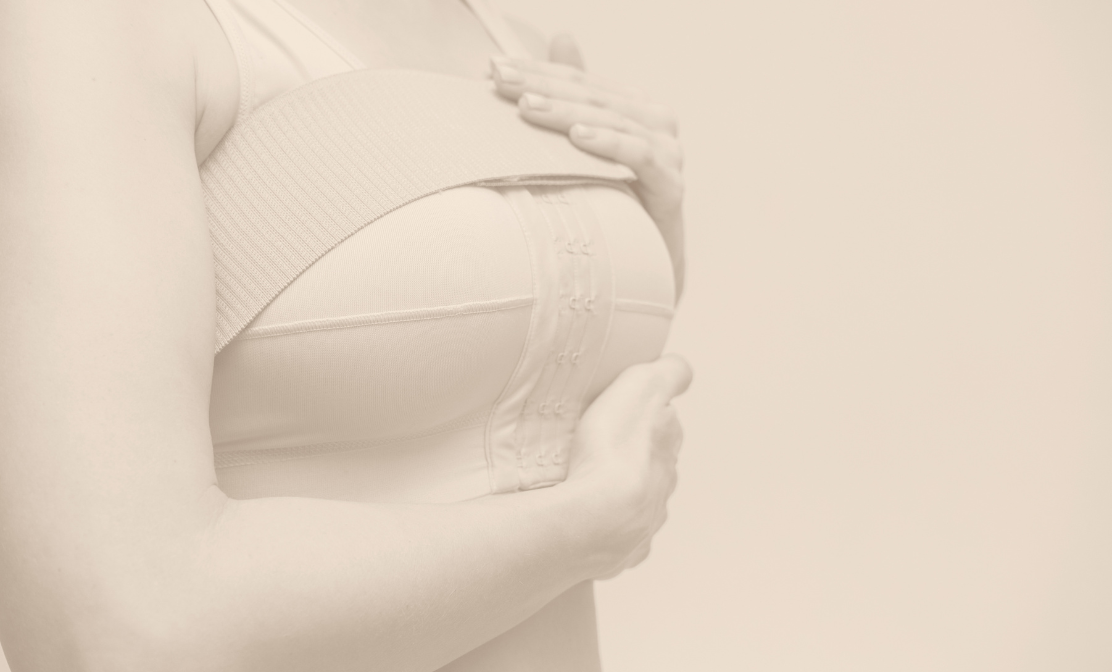
You will go home the same day with a light dressing and a supportive post-surgical bra. Expect tightness, swelling, and soreness, which are managed with medication. Rest, take short walks around the house, and avoid lifting.
Weeks One and Two
Your dressings are changed at your first follow-up visit. Most patients return to work or school within one to two weeks. Avoid lifting anything heavier than 15 pounds during the first two weeks.
Weeks Three Through Six
Most patients can return to exercise at about three to four weeks, starting gently and building up from there. Continue wearing your support bra for five to six weeks.
The Months Ahead
Swelling continues to resolve, the breasts soften and settle into their new shape, and the scars begin to fade. This is when your final result comes into view.
Risks and Possible Complications
Every surgery carries risk, and I want you to understand the risks before you decide. Serious complications are uncommon when surgery is performed by a board-certified plastic surgeon. The general risks of breast surgery include bleeding, infection, poor wound healing, and reactions to anesthesia.
When an implant is part of the plan, the FDA lists additional risks, including:
- Capsular contracture, in which scar tissue tightens around the implant. I often use Motiva implants, which are designed to lower the risk of capsular contracture.
- Changes in nipple or breast sensation
- Breast pain
- Implant rupture
- The need for additional surgery in the future
Breast implants are not lifetime devices, and regular follow-up with your plastic surgeon is important.
There are also considerations specific to tuberous correction. If the tight tissue at the base is not fully released, the breast can develop a double-bubble appearance, in which the old breast fold remains visible beneath the new shape. Some asymmetry may also remain, and a small number of patients choose a revision to refine their result. I review each of these risks with every patient and explain how the plan is designed to reduce them.
Is Tuberous Breast Correction Worth It?
Only you can answer that, but the decision deserves good information. Women with tuberous breasts often describe feeling self-conscious about their shape for years, avoiding certain swimsuits or fitted clothing. Correction can change that. Studies of tuberous breast correction report favorable results and high patient satisfaction, and for many women, the change in confidence is as meaningful as the change in shape.
The right time to decide is when you have the facts. A consultation gives you an honest look at what correction can do for your body, what recovery will involve, and whether it is the right step for you.
Frequently Asked Questions
Are tubular breasts the same as tuberous breasts?
Yes. Tuberous breasts, tubular breasts, and constricted breasts are different names for the same developmental condition.
Are tuberous breasts genetic?
Some research suggests the condition can run in families, but no single cause has been confirmed. Tuberous breasts are not caused by anything you did.
Can only one breast be tuberous?
Yes. Tuberous breasts can affect one breast or both. When only one breast is affected, the difference between the two is often the first thing women notice.
When is the right time for correction?
Correction is performed once the breasts have finished developing. Beyond that, the right time is when you feel ready and have the time to recover.
Does insurance cover tuberous breast correction?
Coverage varies by plan, and many plans consider it cosmetic. Our team can walk through your options at your consultation, including financing.
Can I breastfeed after tuberous breast correction?
Breastfeeding is an important question for many women with tuberous breasts. Some women breastfeed successfully after breast surgery, and some cannot. If breastfeeding matters to you, we will talk it through at your consultation.
Will I need more than one surgery?
Most patients need only one surgery, though severe cases are sometimes corrected in two stages. If you have implants, they are not lifetime devices, so future surgery may be needed down the road.
Schedule a Consultation in Pittsburgh
If the shape of your breasts has been on your mind, I would like to help you understand your options. During your consultation, I will evaluate your breasts, answer your questions, and recommend a plan built around the look you want.
Learn more about developmental breast deformity correction and breast augmentation, or schedule a complimentary consultation at our Shadyside or Monroeville office.